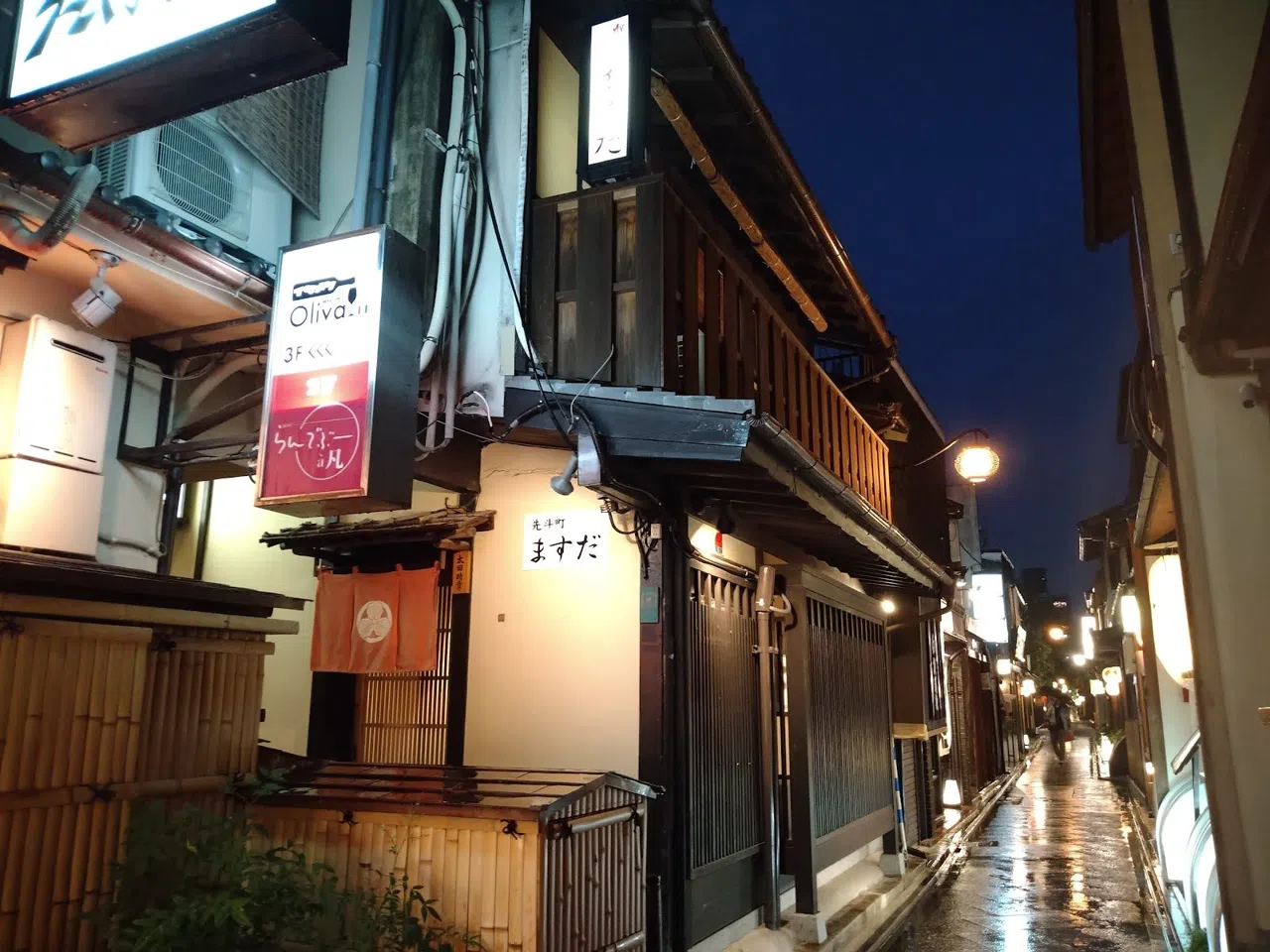
Kyoto in January turns the river black by five o'clock, and Ponto-chō's paper lanterns catch what light is left, laying a soft orange stripe down an alley barely wide enough for two people to pass shoulder to shoulder. This is the season kaiseki is built for — root vegetables, river fish, and the last of the autumn persimmon giving way to fugu, yuba, and the sharp citrus lift of yuzu. A trail through these alleys in winter is less a checklist than a series of thresholds: a sliding door, a low lintel, a hand pulling back a curtain onto a room built for exactly this kind of quiet.
Ponto-chō After Dark
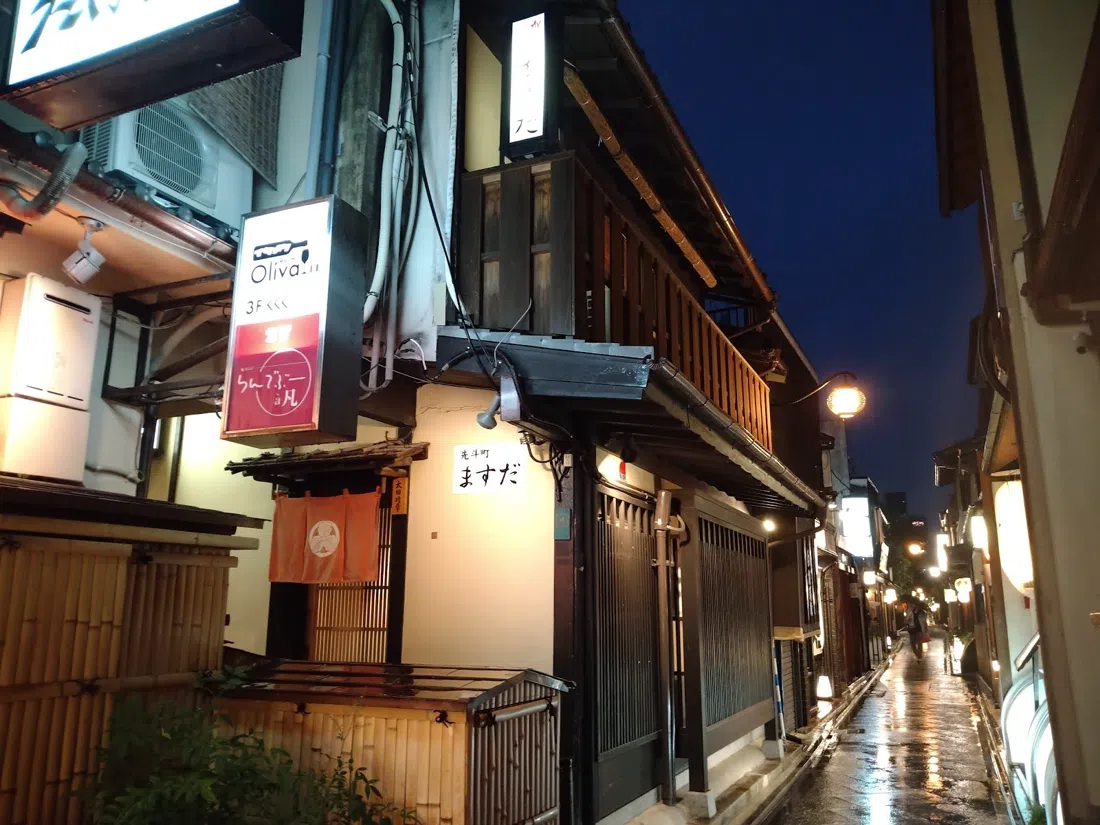
Ponto-chō runs a few hundred metres between the Kamogawa river and Kiyamachi-dori, a single pedestrian lane linking Shijō and Sanjō that has been a teahouse and entertainment district since the early Edo period, when the riverbank was first reclaimed for public use. What survives today is startlingly intact: two- and three-storey machiya townhouses lean into the alley, wooden lattice fronts hide entrances that give nothing away, and from December the whole lane is strung with red and white paper lanterns that come alight around five in the evening, an hour or so before most kaiseki seatings begin. Visitors who only pass through by day miss the point of the place; arrive at dusk instead, when the lanterns are lit and the lane empties of shoppers and fills instead with the soft clatter of geta sandals and the murmur of shamisen from an upstairs room.
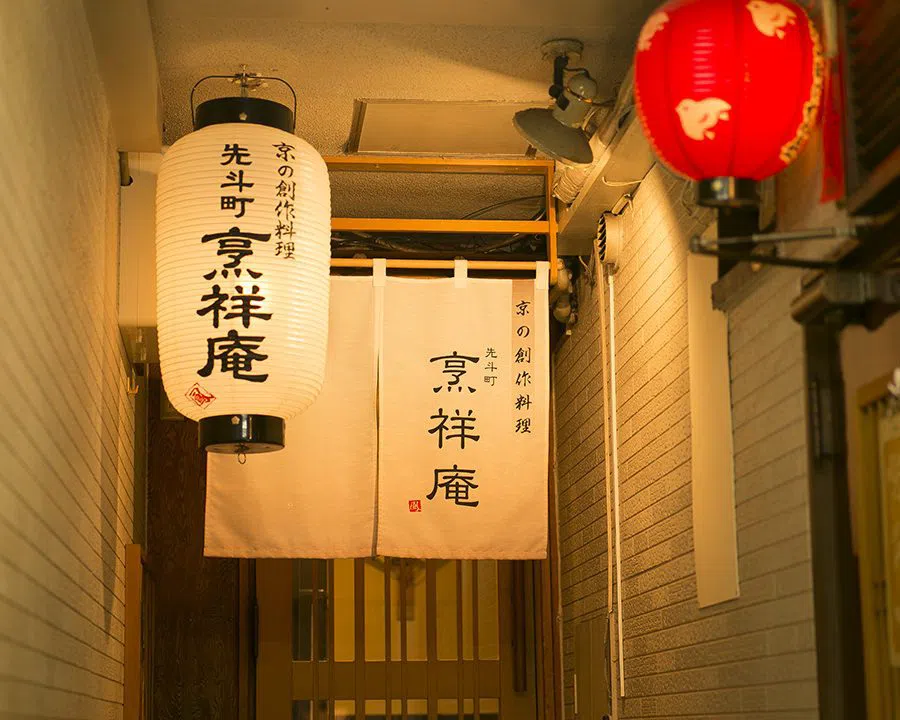
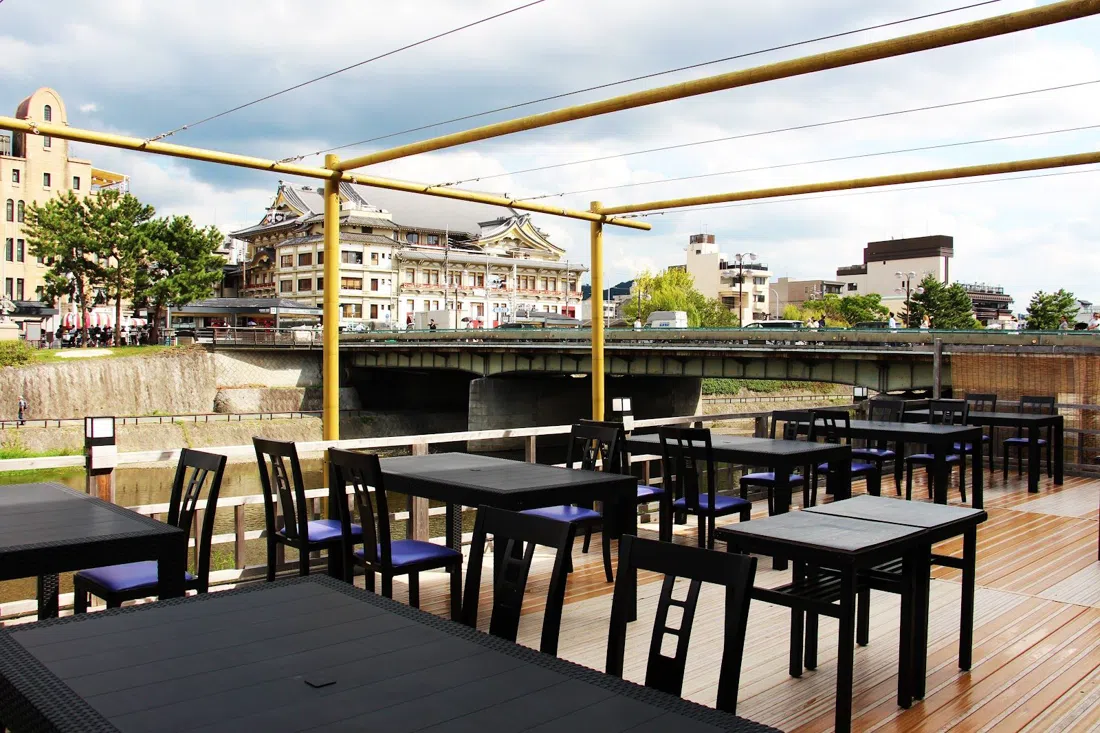
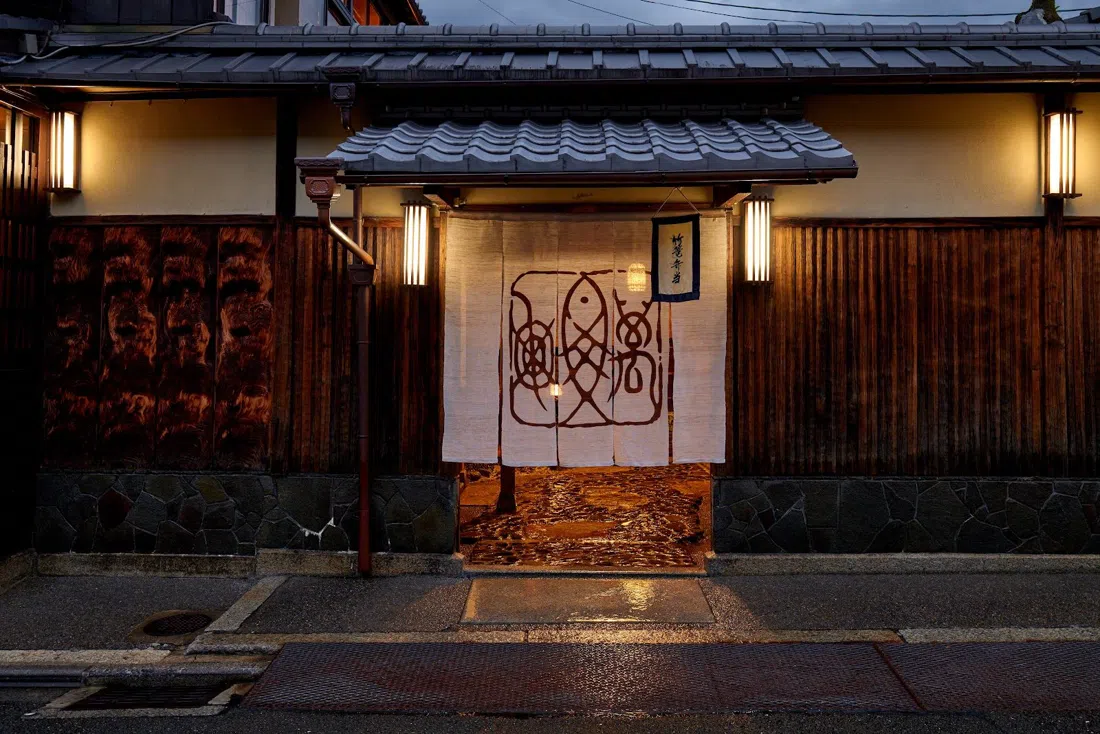
Pontocho Houshoan (Ponto-chō) sits inside this lantern alley itself, and more than any other stop on this route, it is the visual anchor of the whole evening — the restaurant a reader will photograph on the way in, whether or not they eat there. It also happens to be genuinely practical: it welcomes groups of varying size, keeps an English menu and English-speaking staff, and even has Western cutlery on hand for guests who want it, at prices that average around ¥8,500 and rarely exceed ¥15,000 per person. For a first winter night in Kyoto, arriving at the alley and finding a table already inside it removes almost all of the friction that first-timers worry about.
The Alley's Easiest Tables
The next tier of the trail is built for readers travelling with a group, or arranging dinner without fluent Japanese — three ryotei on or near the same lane, each solving a slightly different version of that problem.
Pontocho Fujita (Ponto-chō) is the trail's most straightforward group booking. Its course menus scale up to twenty-four guests, and its staff have real experience hosting overseas visitors in English — a rarer combination than the guidebooks suggest, since many ryotei of this calibre simply do not have the multi-floor layout to seat a party without losing the counter-side intimacy that makes kaiseki work in the first place. Fujita keeps that intimacy even at scale, at ¥8,000–18,000 per person.
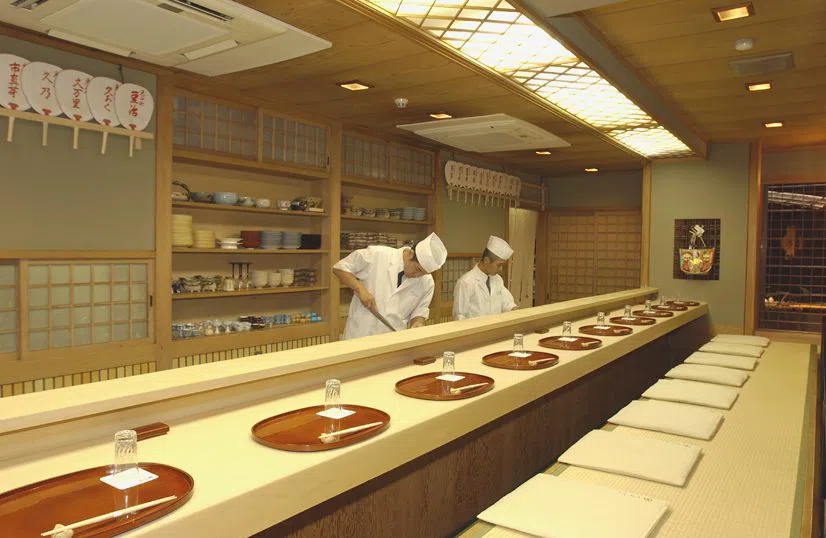
Pontochotakara (Ponto-chō) answers the same brief from the river side of the lane: banquet rooms for up to thirty guests, an English menu and staff, and — usefully for a first-time booking made from abroad — its own English-language reservation help desk, so the whole process can happen before landing in Japan. Dinner runs ¥8,000–15,000 per person, and the river-view rooms are worth requesting specifically when booking.
Pontocho Masuda (Ponto-chō) sits a register above both, and is worth the slightly higher price and slightly more formal booking process for readers who want obanzai-rooted Kyoto home cooking rather than a showcase menu — traditional, small-party ryotei cuisine, unshowy by design, Michelin-listed for 2026. It is not built for large groups the way Fujita and Pontochotakara are; it wants two, four, or six diners, and it wants the reservation made in advance, ideally through a hotel concierge for anyone visiting Kyoto for the first time. Expect ¥12,000–20,000 per person.
Beef, Inside the Kaiseki Frame
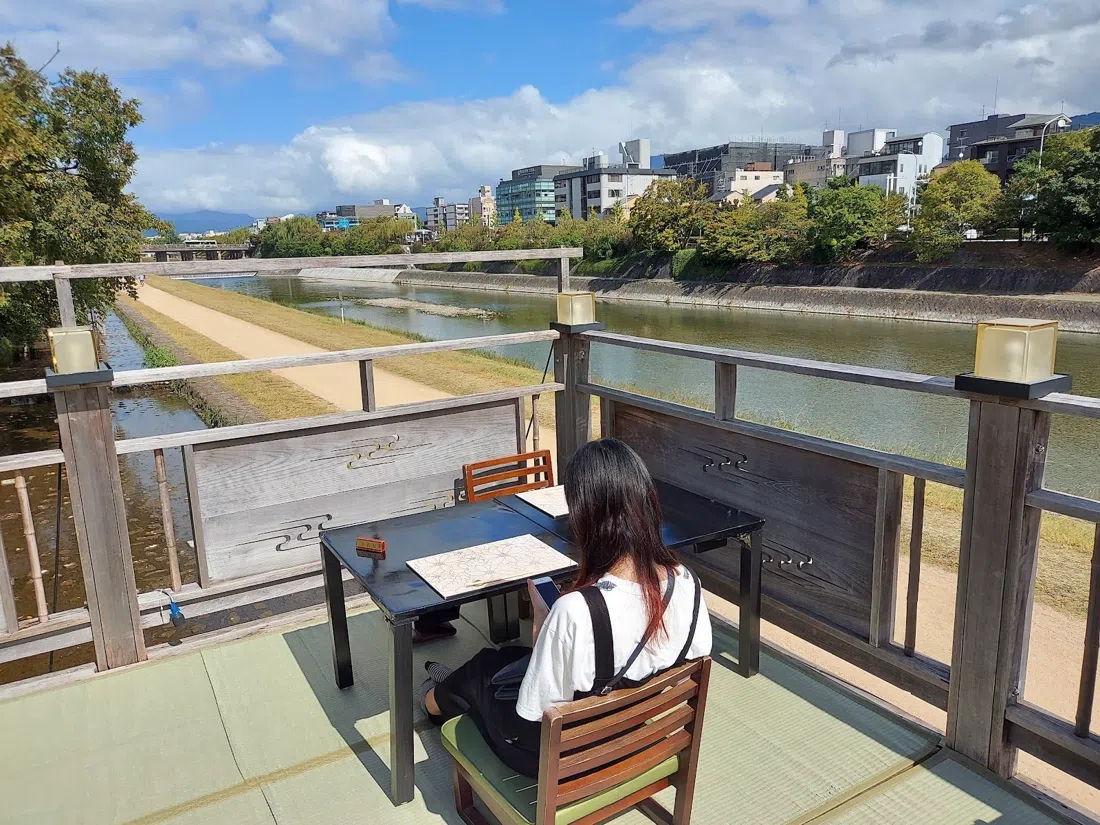
Kyotogyu Kaiseki Inayoshi (Ponto-chō) sits directly on the lane, overlooking the Kamogawa, and solves a different problem again: readers who want Kyoto beef built into a full seasonal course rather than eaten at a separate steakhouse afterwards. Wagyu — Kyoto beef, Omi beef, or another regional cut — is folded into the kaiseki structure rather than served as its own event, and the protein style needs to be chosen at the time of booking, not decided at the table. It keeps an English menu and a welcoming approach to foreign groups, at ¥10,000–20,000-plus per person depending on the cut selected.
The Kikunoi Dynasty
A short taxi or a determined twenty-minute walk from Ponto-chō, on the Shimogyō side near Shinkyōgoku, sits Kikunoi Roan (Shimogyō) — the Michelin two-star sister house to the restaurant that effectively defines modern Kyoto ryotei cuisine. Roan is the accessible entry point into that lineage: small parties, a counter-centric room, and a booking process that does not require the years of waiting sometimes associated with its three-star sibling, though it still needs to be arranged well ahead, either directly or through the Kikunoi group's own booking channel. Expect ¥20,000–30,000 per person.
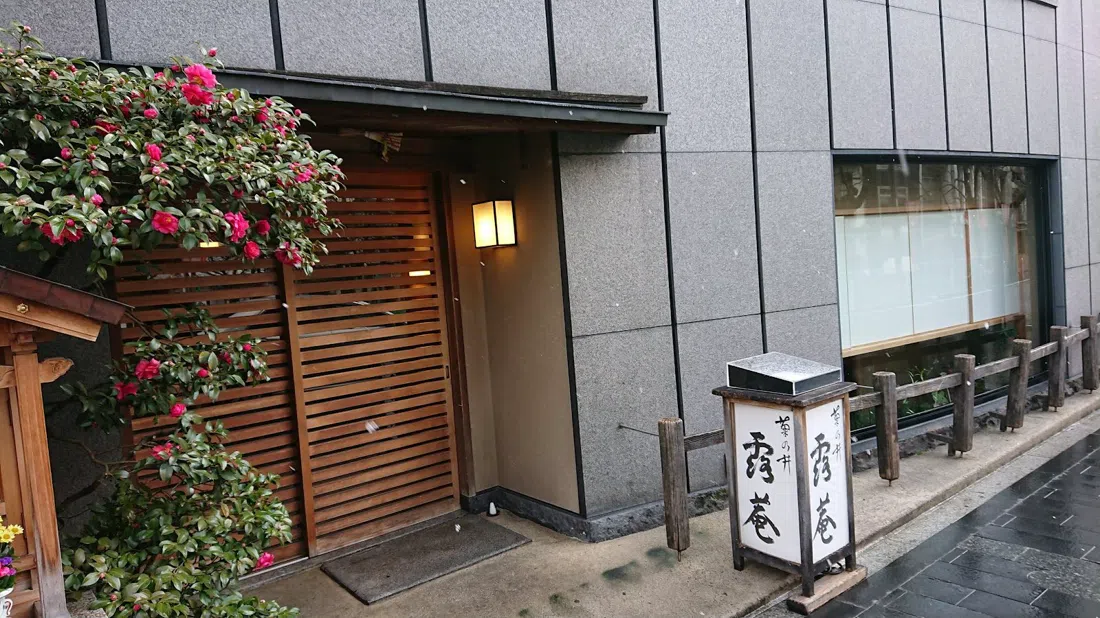
That three-star sibling, Kikunoi Honten (Higashiyama), sits behind Gion next to Kōdai-ji temple, roughly a fifteen-minute walk from the lantern alley, and it is the trail's pilgrimage stop — the restaurant most kaiseki writers point to when they need to explain what the cuisine is actually for. It takes small groups only, in a formally run ryotei setting, and the standing advice from anyone who has tried to book it applies here too: reserve the moment travel dates are fixed, not once in Kyoto, and use a concierge if there is any doubt about the process. At ¥35,000–45,000-plus per person, it is also the most expensive stop on this route, and worth treating as the single dinner the whole trip is planned around rather than one course meal among several.
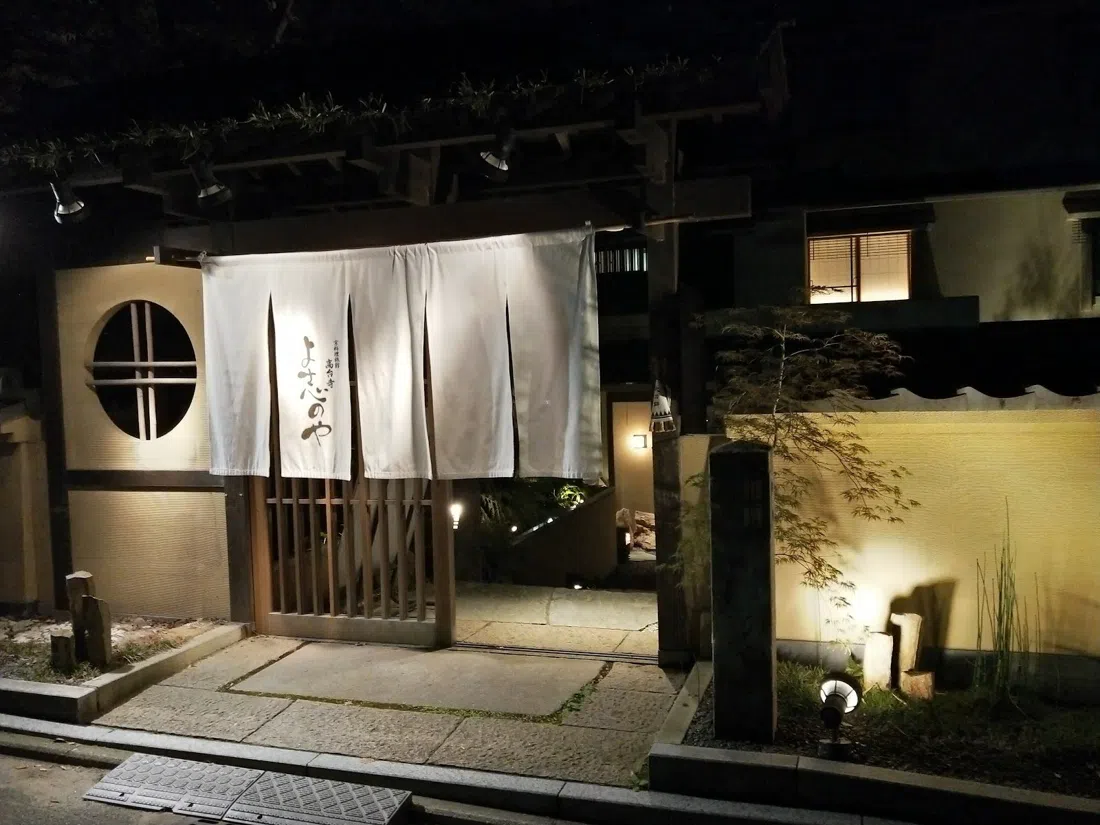
Beyond the Lanterns: The Pilgrimage Tables
Four more restaurants sit outside Ponto-chō proper, each worth the detour for a different reason, and each demanding its own approach to booking.
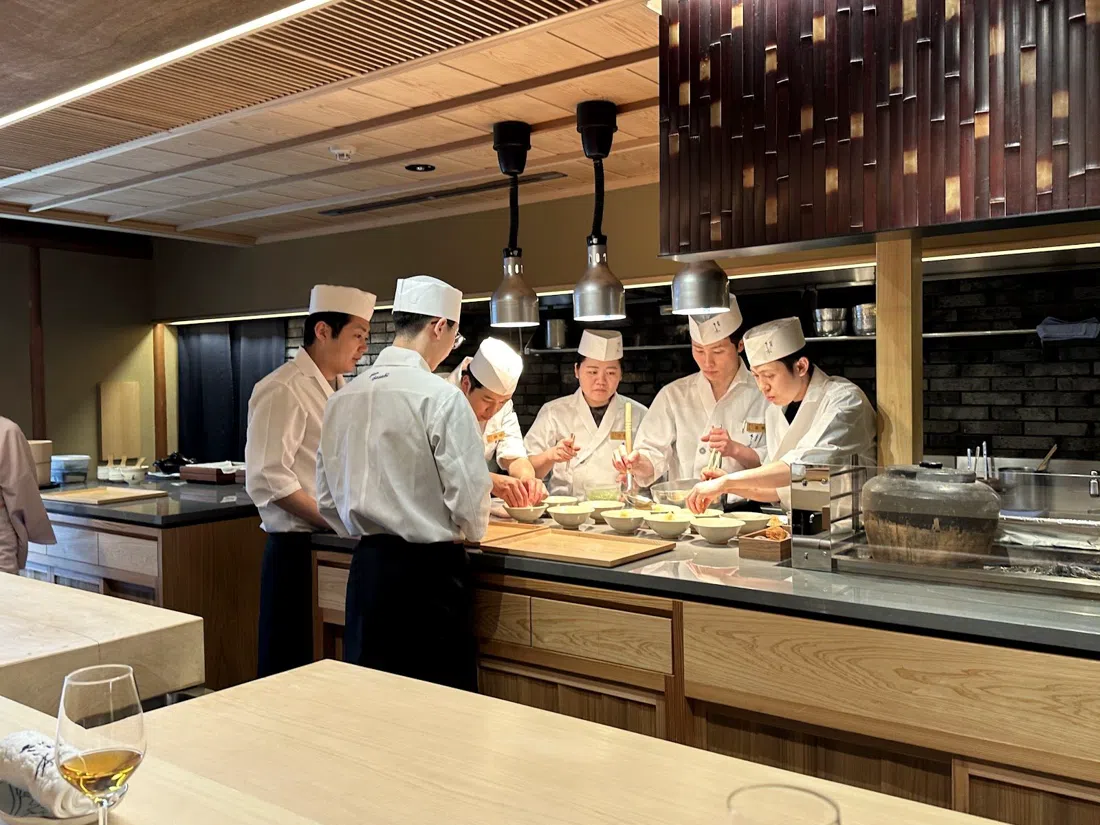
Gion Sasaki (Higashiyama), tucked into the Gion district near Kōmatsu-chō, is the hardest table on this entire list — nineteen seats, total, in the whole restaurant. Its three Michelin stars are earned on months of advance booking, not walk-in charm, and readers should be told plainly: this is not a reservation to attempt on arrival. It needs a concierge, or a standing reservation arranged long before the flight is booked, for small groups only, at ¥40,000–55,000-plus per person.
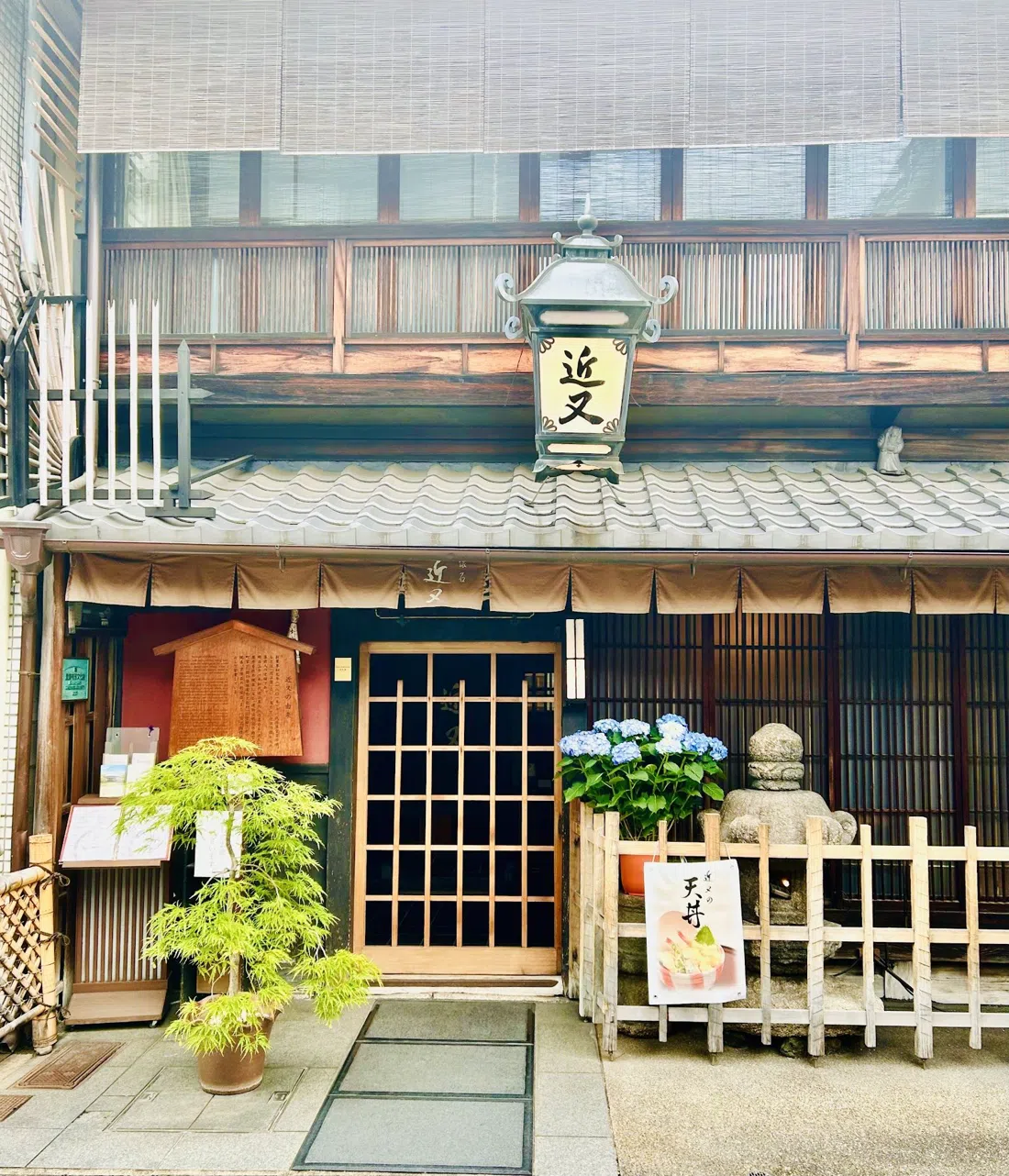
Kinmata (Gokomachi, near Nishiki Market), a short walk from Ponto-chō on the lane running south from the market, is a family-run machiya restaurant that reads less like a booking and more like being invited into someone's protected historic house. It comfortably hosts small-to-medium groups, including foreign visitors, in a setting that has clearly done this before without losing its domestic feel. ¥15,000–25,000 per person.
Kyokaiseki Kichisen (Shimogamo) trades the lantern alley for the Tadasu-no-Mori forest beside Shimogamo Shrine, on the northern edge of the city — a genuine taxi ride from Ponto-chō, and the quietest, most contemplative stop on the trail as a result. Traditional reservation etiquette applies, and concierge booking is advisable for first-time or foreign guests navigating that etiquette from outside Japan; small groups only, at ¥25,000–40,000 per person.
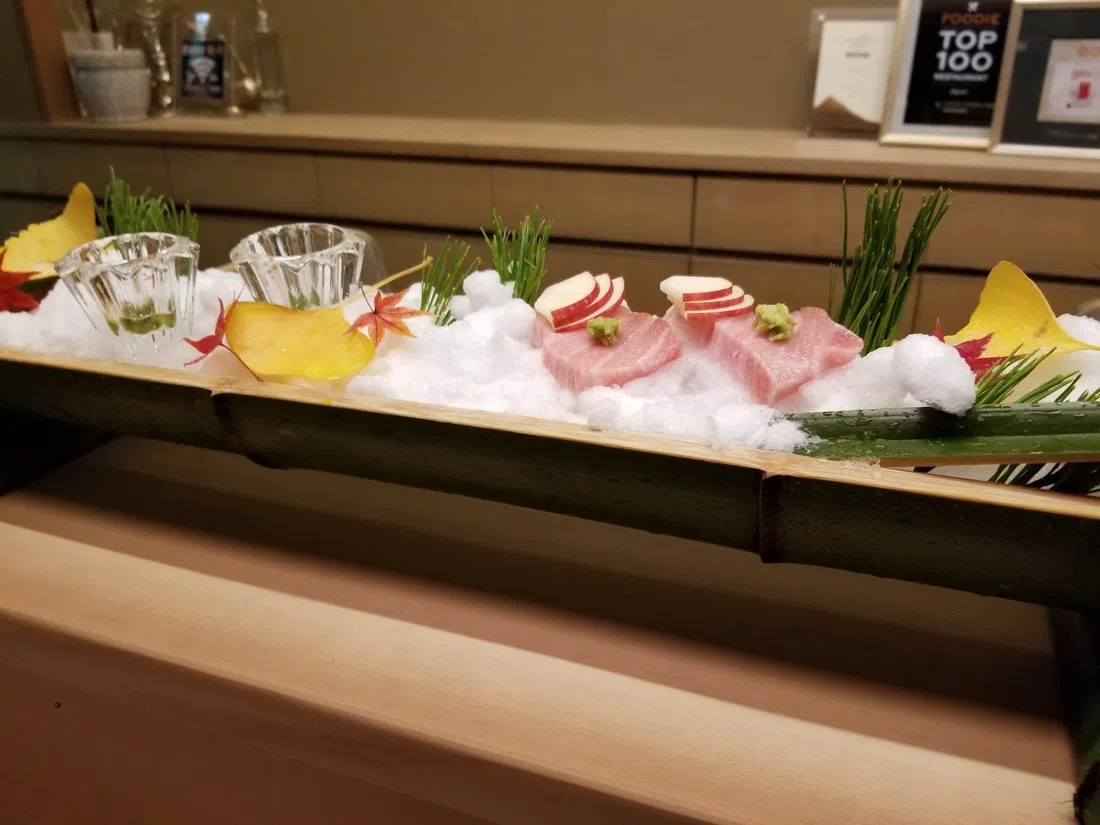
Mankamero (Nishijin) sits north-west of the centre, in the old Nishijin weaving district, and serves a different lineage of Kyoto cooking entirely — yūsoku ryōri, the formal cuisine developed for the imperial court, which predates and underlies much of what became modern kaiseki. It is a deliberate detour for readers who want to taste that older form rather than its tea-ceremony-inflected descendant. Formal ryotei, small groups, advance reservation essential, concierge assistance recommended for non-Japanese speakers, at ¥20,000–35,000 per person.
The Low-Key Alternative
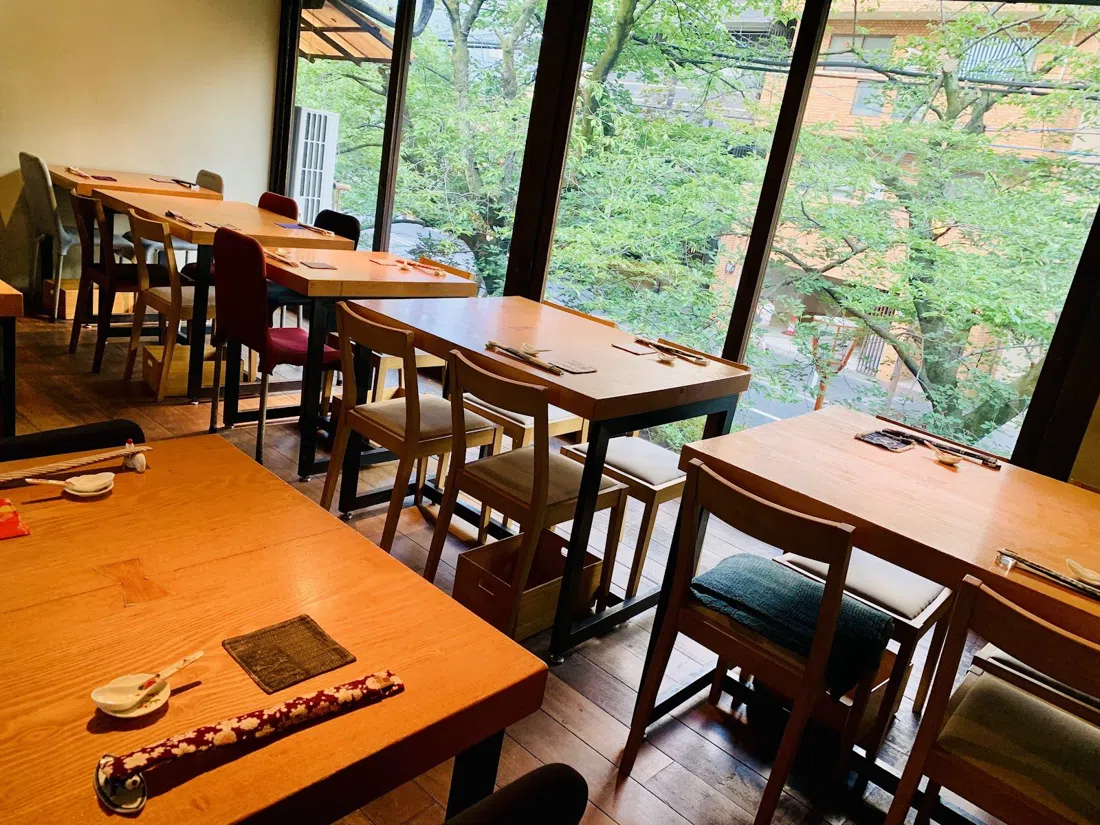
Not every winter night in Kyoto needs a formal room and a dress code. Giro Giro Hitoshina (Kiyamachi, on the Takase canal side of Ponto-chō) runs the same seasonal, multi-course logic as everything above — creative, produce-led kaiseki, course by course — in informal counter and bar seating that suits small groups without ceremony. There is no official booking channel; the way in is a hotel concierge or a reservation agency, the same as the grander tables, but the result is a fraction of the price, ¥6,000–9,000 per person, and no jacket required. For a trail built around several expensive nights, this is the one to schedule as a release valve — an evening off from formality that still delivers the season on a plate.
Planning the Trail
Getting there. Ponto-chō and the Kikunoi houses sit within walking distance of Kawaramachi and Gion-Shijō stations on the Hankyū and Keihan lines; Kyokaiseki Kichisen near Shimogamo Shrine and Mankamero in Nishijin are both genuine taxi trips, ten to fifteen minutes and a fair fare from the alley, and worth budgeting time and yen for rather than trying to walk. Base a multi-night trail from a central hotel — Kyoto hotel search covers options within reach of both Ponto-chō and Gion — so that no single dinner requires crossing the city late at night in winter.
Cash. Several of the smaller, more traditional ryotei on this list — particularly the family-run and single-owner houses — still expect cash, or at best a narrow range of Japanese cards; do not assume an international card will work at the register, and carry enough yen for the evening's bill plus a margin. Convenience-store ATMs (7-Eleven is the most reliable) accept foreign cards throughout the city.
Timing. Winter kaiseki seatings in Kyoto typically start between 5.30 and 7pm, aligned with when the Ponto-chō lanterns come on; arrive on time rather than early, since many of these rooms are turning over a single seating per night rather than running a full service. Book the hardest tables — Gion Sasaki above all, and Kikunoi Honten close behind it — the moment travel dates are fixed, not after arrival in the city.
Budget. A realistic trail mixes registers rather than eating at the top of the price range every night: a Giro Giro Hitoshina or Pontochotakara evening at ¥8,000–15,000 alongside one pilgrimage dinner at Kikunoi Honten or Gion Sasaki in the ¥35,000–55,000 range gives a fair sense of the full range Kyoto kaiseki covers, without every course of every night carrying three-star pricing. For the wider context of what else the city offers around these dinners, the Kyoto guide is the place to plan the days between.